Cylinder safety
How to handle cylinders safely
Your safety is our number one priority
Knowing how to handle gas cylinders safely – and how to store gas bottles safely – is crucial when using or working with LPG.
At Flogas, we take gas bottle safety seriously. If you’re looking for advice on handling gas bottles or using propane and butane gas, we’ve got you covered.
How to handle gas cylinders safely
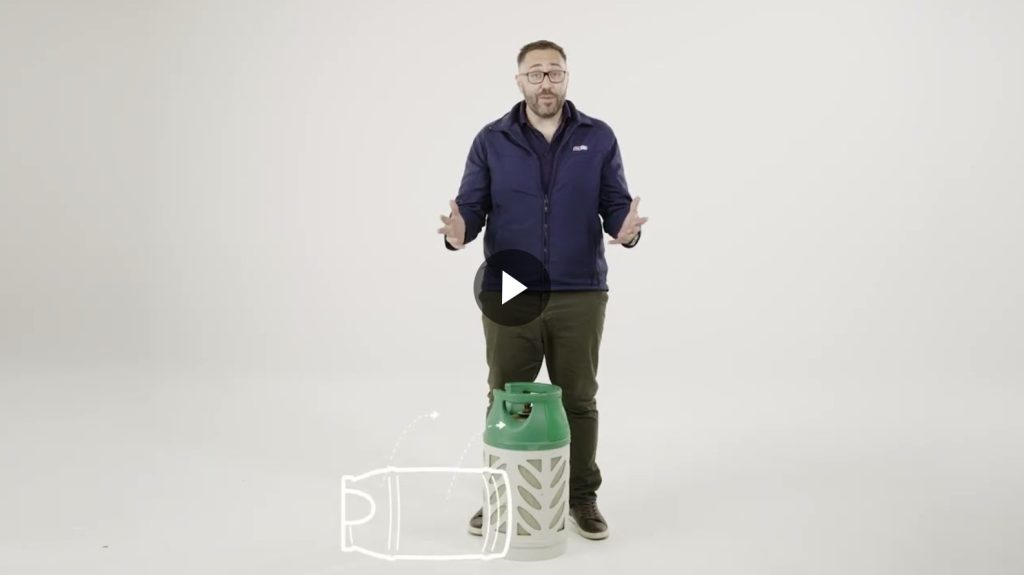
- Don’t use gas cylinders in the horizontal position. They could leak, which can be very serious. Always ensure the cylinder is in a stable, upright position.
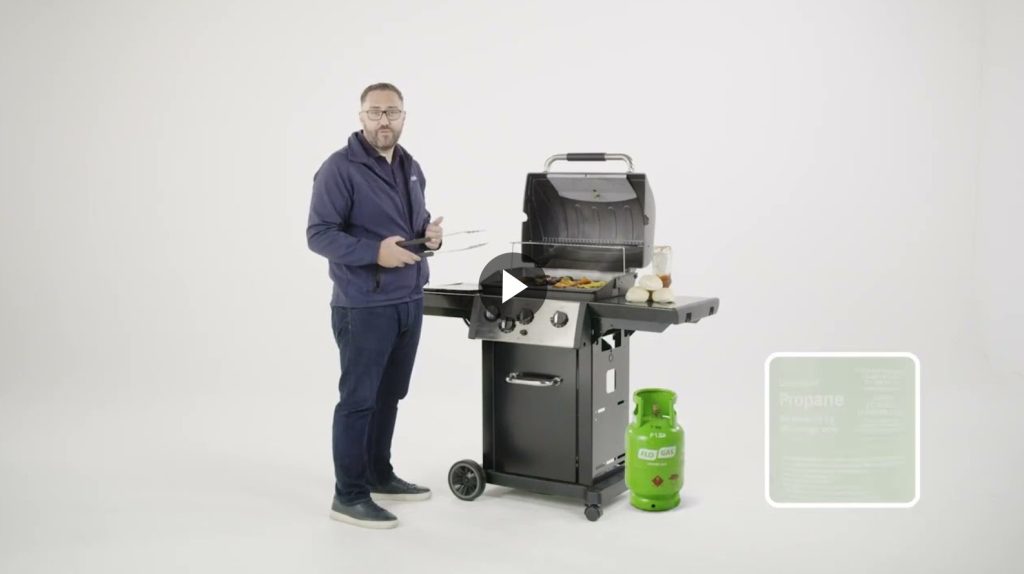
- Don’t store gas bottles under BBQs to prevent fire hazards from hot fat.
- Always replace safety caps/plugs when the gas cylinder is empty or not in use.
- Don’t use propane cylinders indoors. They have a higher pressure than butane cylinders, so they’re not suitable for indoor use.
- Don’t change gas cylinders in the presence of naked flames.
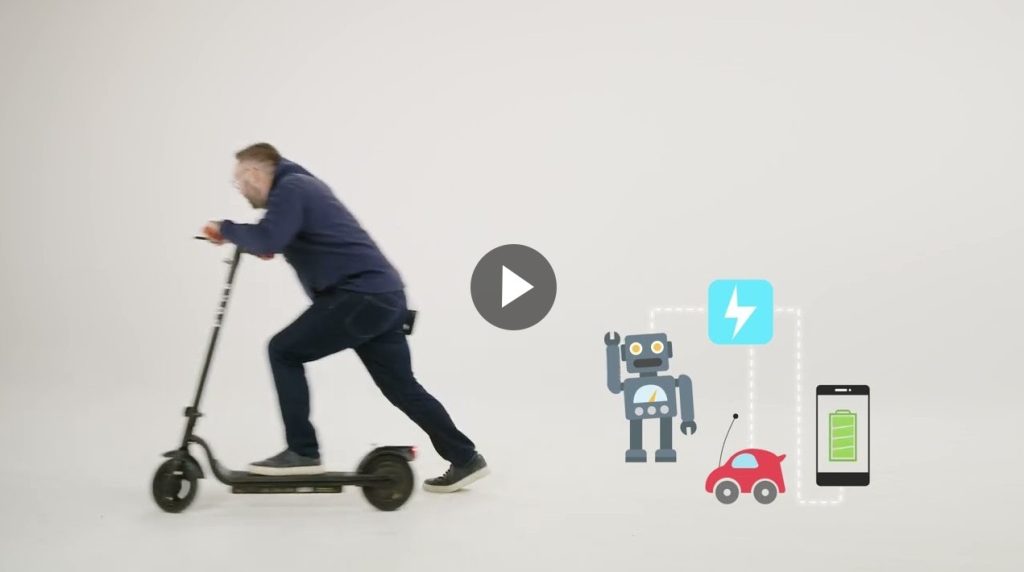
- Never store gas cylinders in the vicinity of potential sources of fire or ignition including e-bikes and other chargeable devices.
- Always pay attention to any safety and operating notices displayed in the vicinity.
- A gas cylinder might seem empty, but could still contain LPG vapour – so you should treat all LPG gas cylinders as if they were full.
- Don’t drop gas cylinders off vehicles or platforms. This can damage their valves (or the cylinders themselves)
How to store gas cylinders safely
- Always store gas cylinders in the upright (vertical) position. Never store them horizontally (this could cause a leak).
- Always display safety and operating notices prominently.
- Never store gas cylinders in the presence of a naked flame.
- Never store below ground level, as any leakage will collect at low levels. Instead, safe storage should be in a well-ventilated area (preferably outdoors).
- For specific advice on safe gas cylinder storage and fire prevention by volume (up to 70kg, from 70 to 400kg, or above 400kg), download our Safety & Technical Guide
- Always store cylinders in accordance with UKLPG Code of Practice 7
- If storing more than 25,000kg of LPG please contact Flogas for specialist advice.
General maintenance and problem solving


How do I know when a gas bottle is empty?
The window on your changeover unit will display a red colour indicator if your cylinder is empty.
For appliances supplied by a single regulator connected directly to a cylinder, the gas pressure will drop, the burner will produce a different sound and the flame characteristics will become less bright and unstable. All these indicate that the gas is close to running out.
Our award-winning Gaslight gas cylinders feature a translucent appearance for clearer fuel visibility – so you’ll know exactly when it’s time to refill.

Emergency Telephone
03457 200 100