Not sure which gas bottle you need? We’re here to make it simpler.
This guide will help you choose the right LPG cylinder for your appliance and find practical safety advice for storage, transport and everyday use.
Whether you need gas for heating, cooking, camping, caravanning or commercial use, you’ll find clear, helpful guidance here.
Follow the selector or read our guidance below.


What are you using your gas bottle for?
The right gas bottle depends on what you’re using it for and where you’ll be using it. Some cylinders are better suited to outdoor appliances, while others can be used for portable heating, cooking or leisure use.
You may be looking for gas for:
- Outdoor heating and cooking
- Home heating and cooking
- Camping and caravanning
- Portable heaters
- Mobile heating and catering
- Commercial use
Choosing the right bottle starts with matching the gas type and cylinder size to your appliance.
Propane or Butane: What’s the difference?
Both propane and butane are LPG, but they have different uses
Propane gas bottles
Propane is usually used for outdoor appliances and is a popular choice for heating, cooking, caravanning and commercial use.
Butane gas bottles
Butane is often used for portable heaters, cooking and leisure activities such as camping and caravanning.


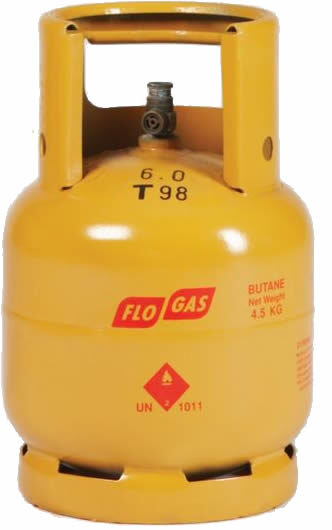
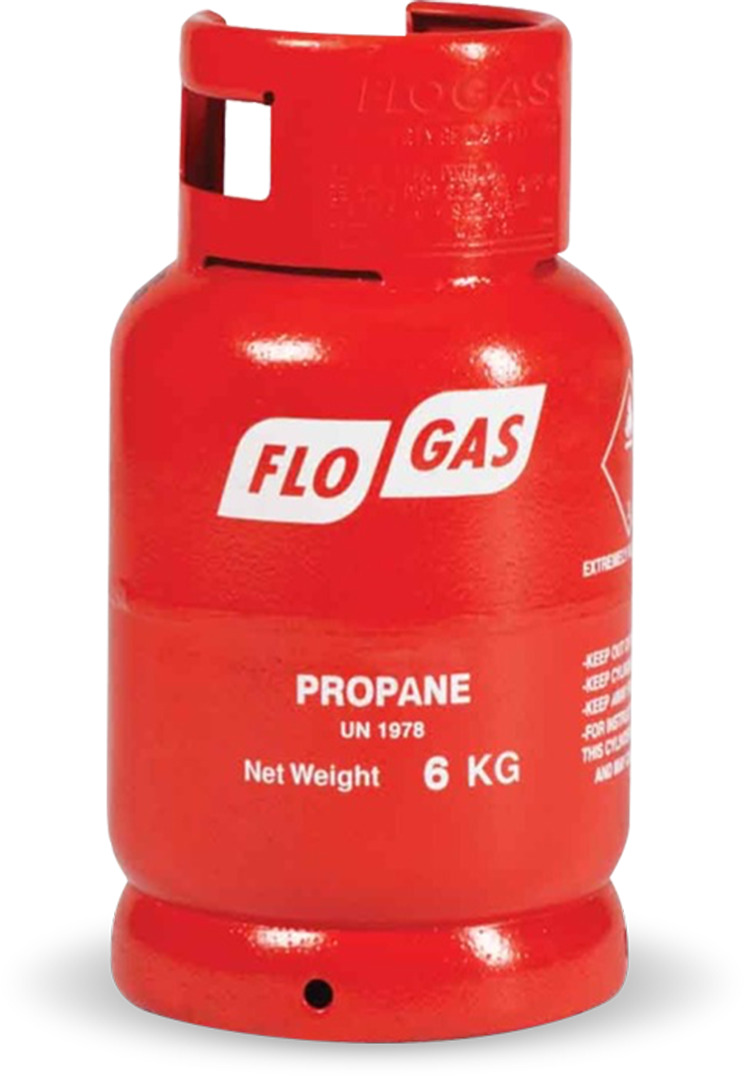


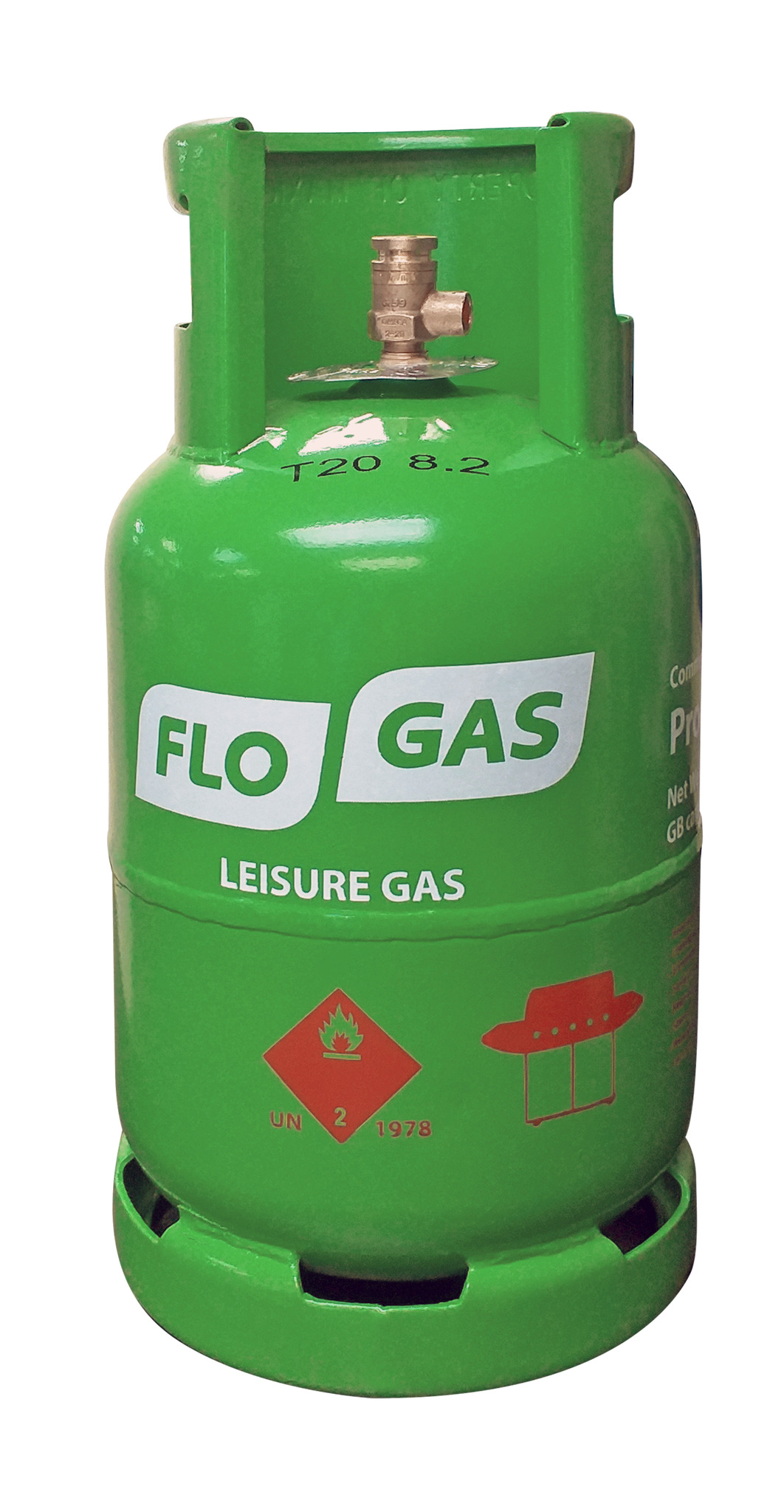

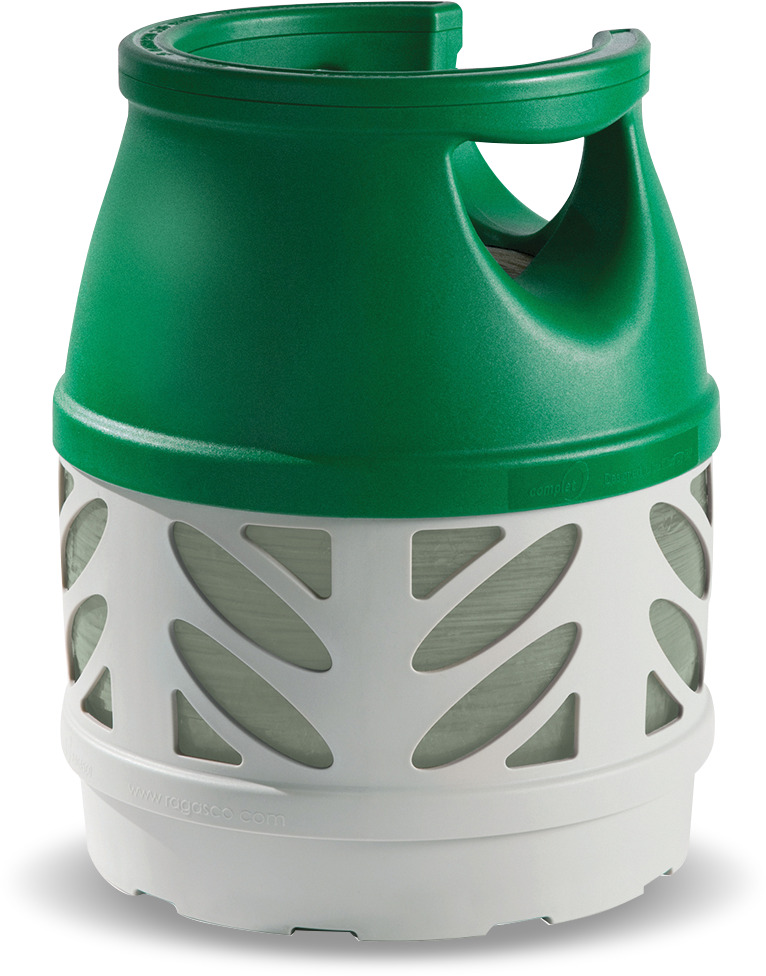
A simple way to choose
As a general guide:
- Propane is often used for outdoor cooking and heating
- Butane is commonly used for portable heaters and some indoor or leisure appliances
- Leisure setups such as camping and caravanning may use either, depending on the appliance
- Larger heating or commercial needs may require a bigger cylinder

Always check your appliance instructions before choosing a bottle.
How much gas do I need?
How long a gas bottle lasts depends on the appliance, the weather and how often you use it. The figures below are a rough guide to help you plan.
Per 1kg of gas, you may get around:
- 5 hours of cooking on propane
- 4.5 hours of cooking on butane
- 2.5 hours of heating on propane
- 2.2 hours of heating on butane


How to check how much gas is left
Want to know whether your bottle is nearly empty?
A simple way to check is to weigh it.
For standard cylinders
- Place the bottle on a suitable scale
- Check the tare weight marked on the cylinder
- Subtract the tare weight from the total weight
- The remaining figure is the amount of gas left in the bottle
For Gaslight cylinders
With Gaslight, you can see the gas level directly, so there’s no need to weigh the bottle.
Which regulator do I need?
Your regulator connects the gas bottle to your appliance and controls the flow of gas. Using the right regulator is important for safe and reliable operation.
Depending on your setup, you may need:
- A clip-on regulator
- A screw-fit regulator
- A specialist regulator for some applications, such as marine use
If you are unsure which regulator you need, ask before connecting your bottle.

Getting your gas bottle home safely ..
If you’re taking a gas bottle home, a few simple steps can help you transport it safely. If you have any questions before travelling, speak to a member of the team.


Handle with care, bottles are heavy and slippery when wet

Secure the bottle in the car keeping it upright

Open windows to allow ventilation

No smoking or naked flames
Remember:
Do not skip or bin your gas bottle
Please return to us or call us and we’ll collect it for free
